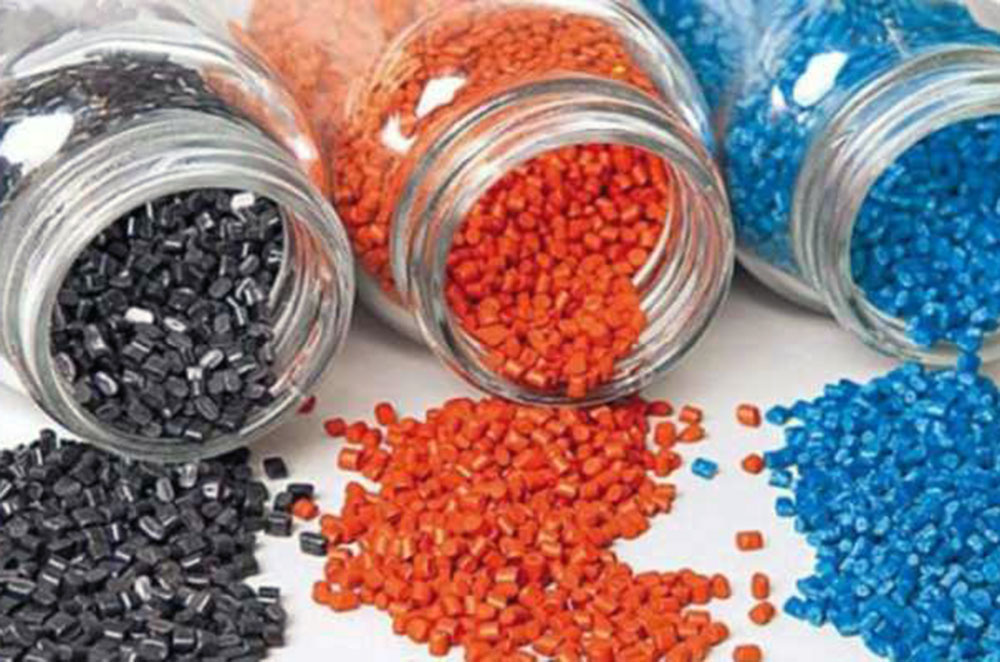
In the plastic industry, the quality of raw materials is crucial in determining the performance, durability, and application of the final products. Manufacturers categorize plastic raw materials based on their quality, which directly impacts their suitability for different market demands. This content discusses the key factors influencing the quality of plastic raw materials and how they are categorized to meet varying market needs.
High-Quality Virgin Plastics Virgin plastics are newly produced, unused materials that have not been processed or recycled. These raw materials are of the highest quality, offering consistent performance, purity, and mechanical properties. High-quality virgin plastics are typically used in industries where stringent standards are required, such as:
- Medical and Pharmaceutical: Due to the need for biocompatibility, cleanliness, and precision, virgin plastics are preferred for medical devices, packaging, and lab equipment.
- Aerospace and Automotive: In these sectors, the materials must meet strict safety, durability, and performance standards, making virgin plastics ideal for critical components.
Recycled Plastics Recycled plastics are materials that have been reprocessed from used products, offering an environmentally friendly alternative to virgin plastics. While recycled plastics may have lower mechanical properties compared to virgin materials, advances in recycling technology have improved their quality and consistency. These materials are categorized based on their purity and performance:
- High-Grade Recycled Plastics: Suitable for consumer goods, packaging, and textiles, these materials meet industry standards while reducing environmental impact.
- Lower-Grade Recycled Plastics: Often used in construction, landscaping, and non-critical applications where mechanical properties are less critical, but cost-effectiveness and sustainability are prioritized.
Biodegradable and Bio-based Plastics As environmental concerns grow, there is increasing demand for biodegradable and bio-based plastics. These materials are derived from renewable resources and designed to break down more easily than traditional plastics. Quality in this category is determined by the material’s ability to perform similarly to conventional plastics while offering environmental benefits:
- High-Quality Bio-based Plastics: Used in packaging, disposable cutlery, and agricultural films, where both performance and environmental impact are critical.
- Biodegradable Plastics: Employed in products designed for single-use or short-term applications, such as food packaging, where environmental concerns drive market demand.
Conclusion Plastic raw materials are categorized based on their quality into virgin, recycled, and bio-based plastics, each serving different market segments. Manufacturers must understand these categories to meet the specific demands of their industry, balancing performance, cost, and sustainability.