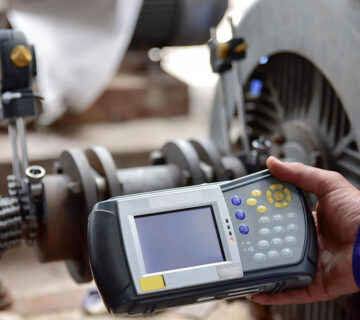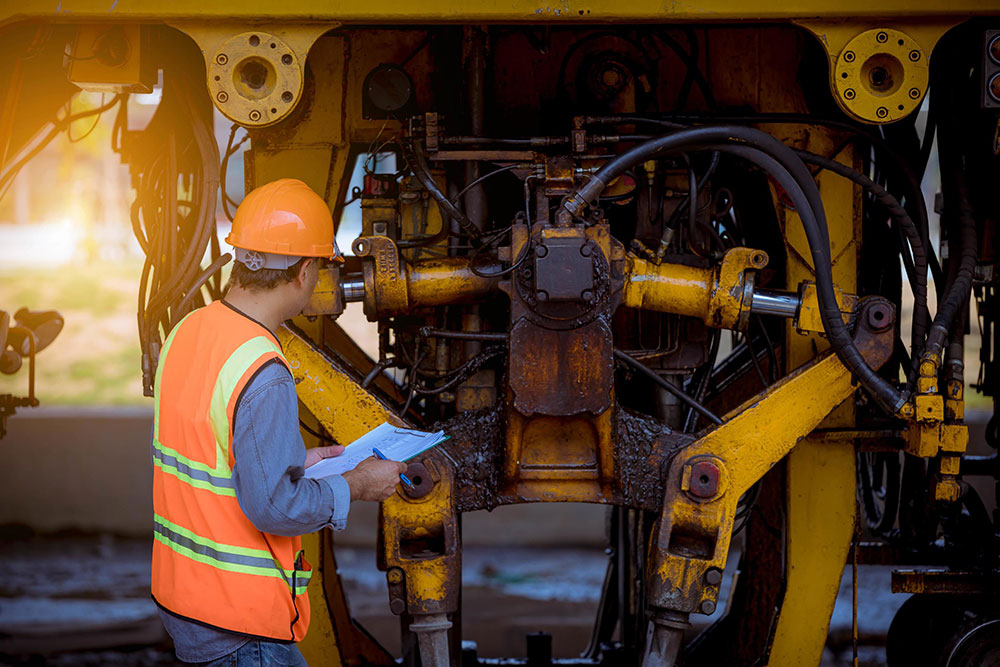
Introduction In modern industry, machinery plays a pivotal role in determining the quality of production. The integration of advanced machinery into manufacturing processes not only increases efficiency but also ensures consistent quality across products. The precision and reliability offered by modern machinery have become essential for companies striving to meet the high standards of today’s competitive markets.
Machinery and Consistency in Production One of the primary advantages of using machinery in industrial processes is the ability to produce uniform and consistent products. Machines are designed to perform tasks with a high degree of precision, reducing the likelihood of human error and variations in the production process. This consistency is crucial in industries where even minor deviations can lead to significant issues in product performance or customer satisfaction.
Technological Advancements in Machinery The continuous development of technology has led to the creation of more sophisticated machinery that can perform complex tasks with minimal human intervention. Automation, robotics, and computer numerical control (CNC) machines have revolutionized production lines, allowing for faster production cycles, reduced waste, and higher-quality outputs. These advancements have also enabled manufacturers to scale up production while maintaining the same level of quality, which is vital for meeting the demands of global markets.
Conclusion Machinery is an indispensable component of modern industry, directly influencing the quality and efficiency of production. As technology continues to evolve, the role of machinery in ensuring consistent and high-quality products will only grow more significant. For companies looking to stay competitive, investing in advanced machinery is a key strategy for maintaining high standards and meeting customer expectations.